My Platform
For six years, I’ve shown up for Sand City: listening, speaking up, and advocating for the people and businesses that make this community unique.
I’m running for City Council to bring an independent, practical, and future-focused voice to City Hall.
Protect the Coast by Building Smart
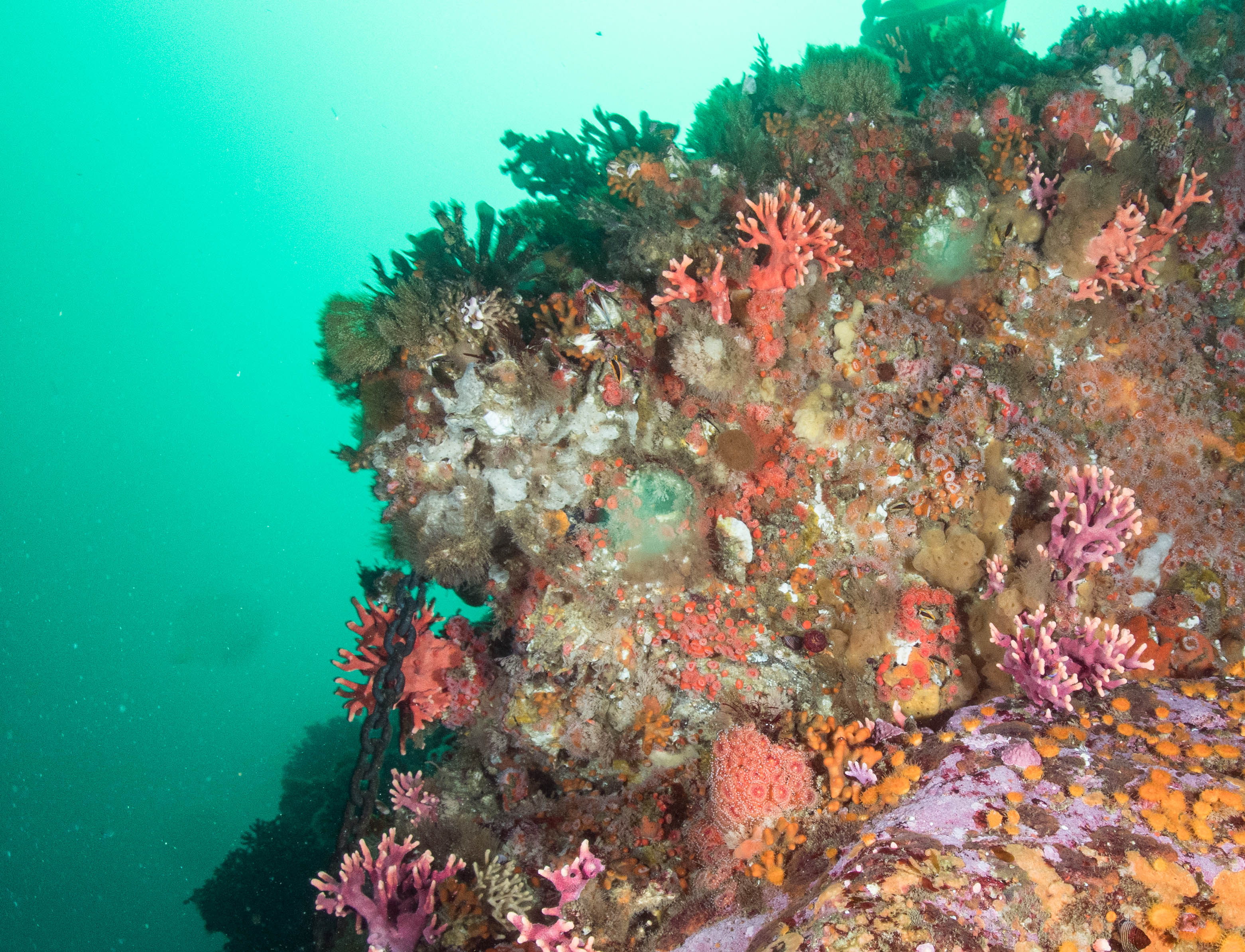
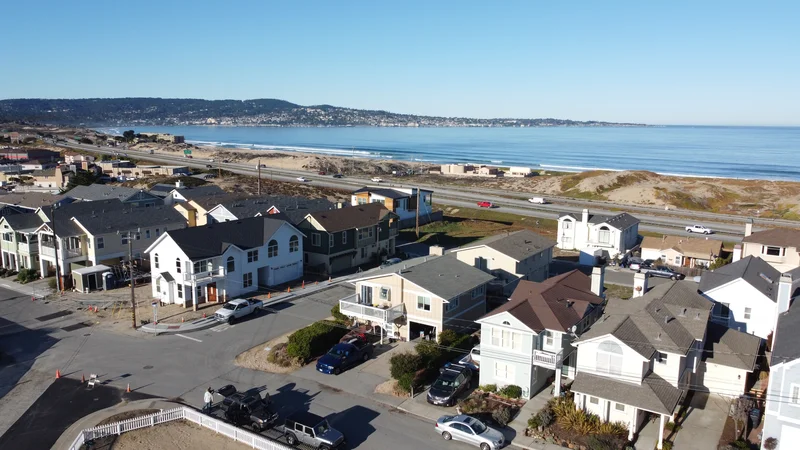
Sand City is a rare place on the coast with real water resources and real room to grow. The question is how. My answer is to build up and in, not out.
I want to see our remaining open space and dune ecosystems protected, and I want the growth we need to happen on the land that is already developed or zoned for it. Increasing density inside our existing footprint is how a small coastal city adds housing and tax base without sacrificing the natural areas that make this place worth living in. More live/work space, more mixed-use, more infill. Fewer reasons to ever look at a green space as a development site.
This is also the most honest path to affordability. You cannot lower the cost of living here by limiting what gets built. You bring costs down by allowing more homes of more types, market rate and affordable, in the places best suited for them.
Finish the Trails and Make Sand City Walkable
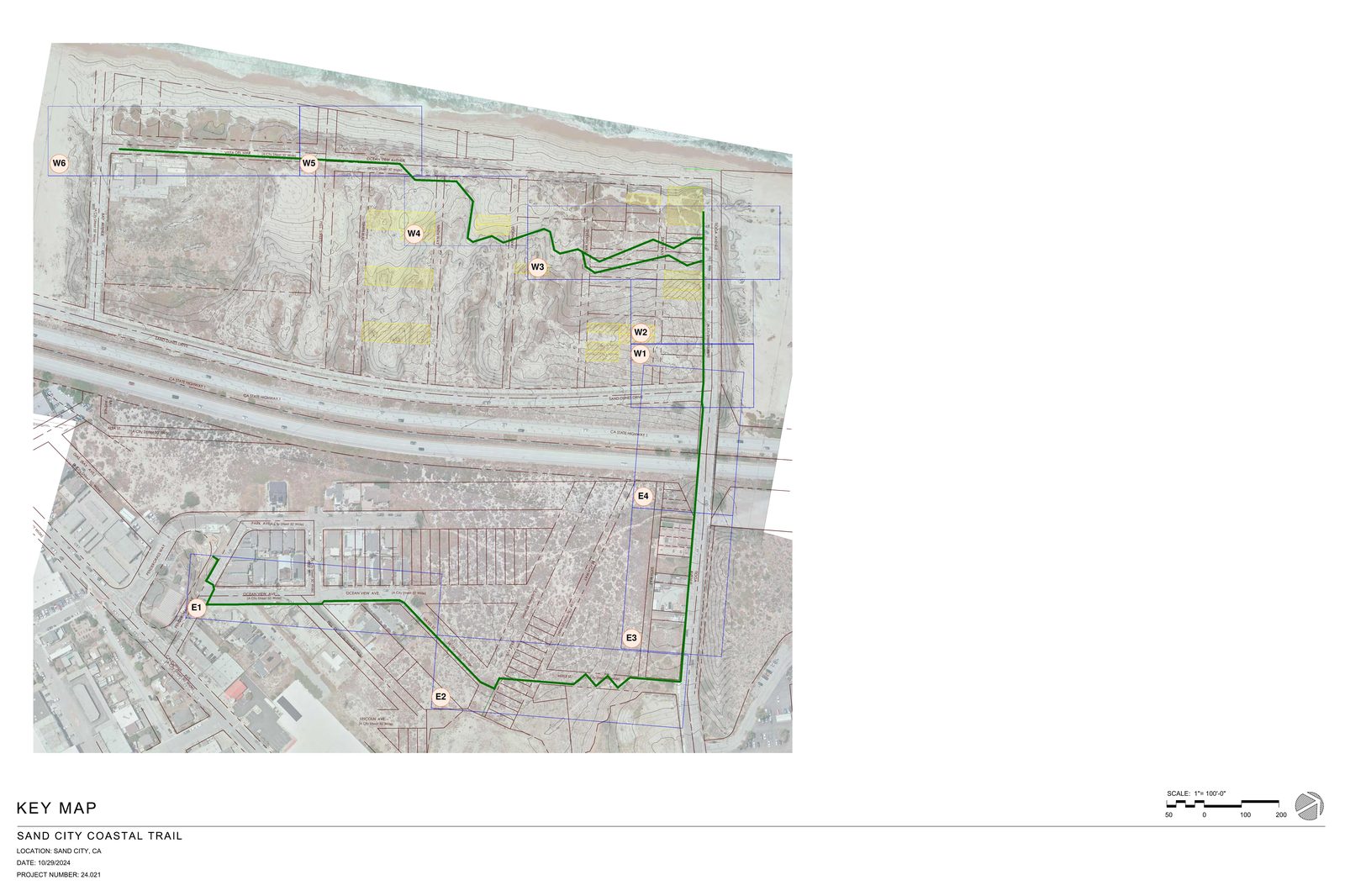
The thing I hear most from Sand City residents is simple: finish our trails. I am happy that the current council is finally making progress on this project and I have been supporting it via public comment; I want to support it with my vote in the future.
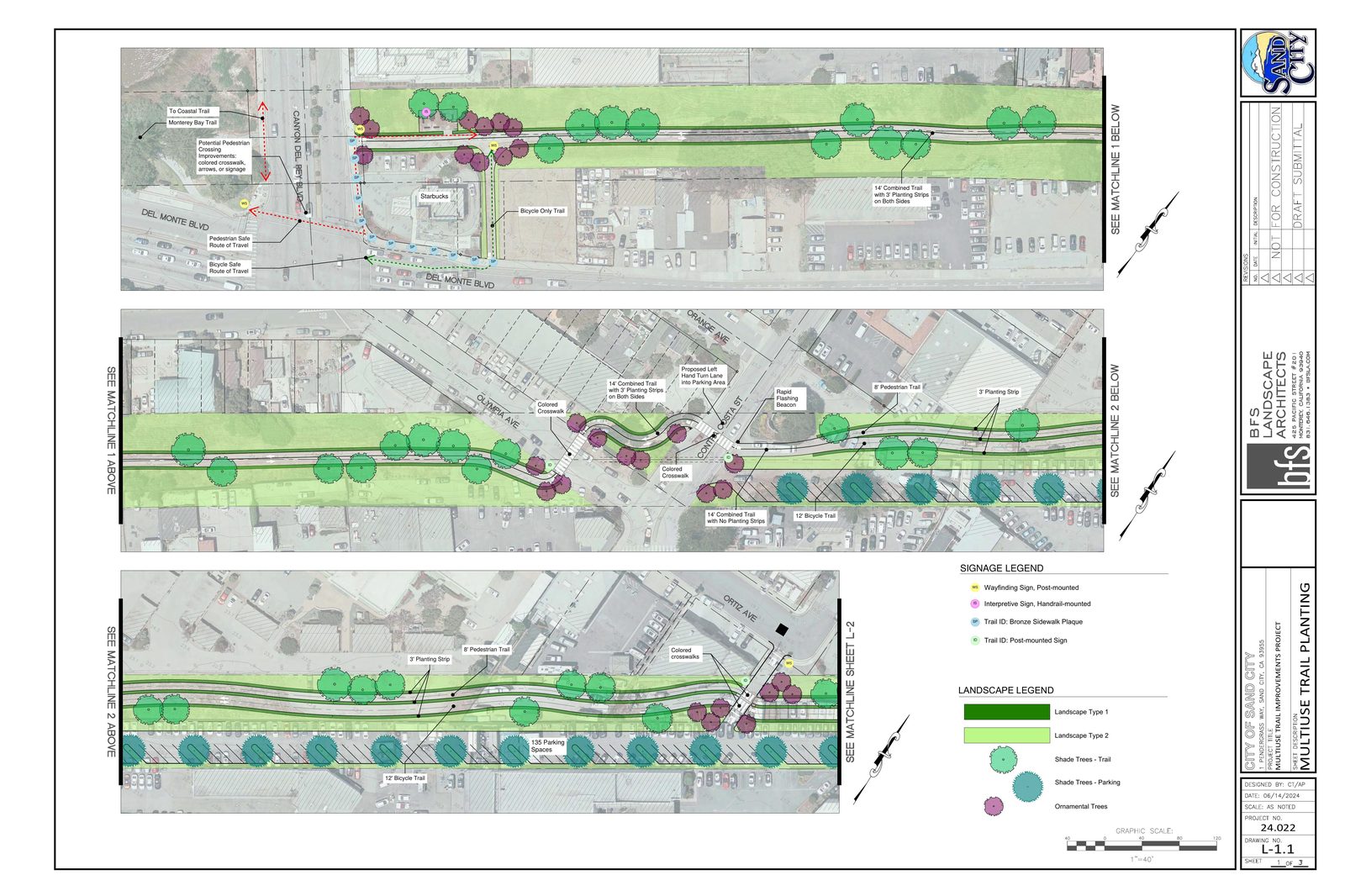
Sand City is a major gap in the Monterey County trail system, and it has been for more than twenty years. I want to push to get these trails designed and built now, while we have the opportunity with the new MST Surf! project to finally make the best use of the TAMC right of way.
I hear the same thing from people across the region. A discussion on the Monterey Bay subreddit about what would make Sand City better came back to the same idea: finish the trails.
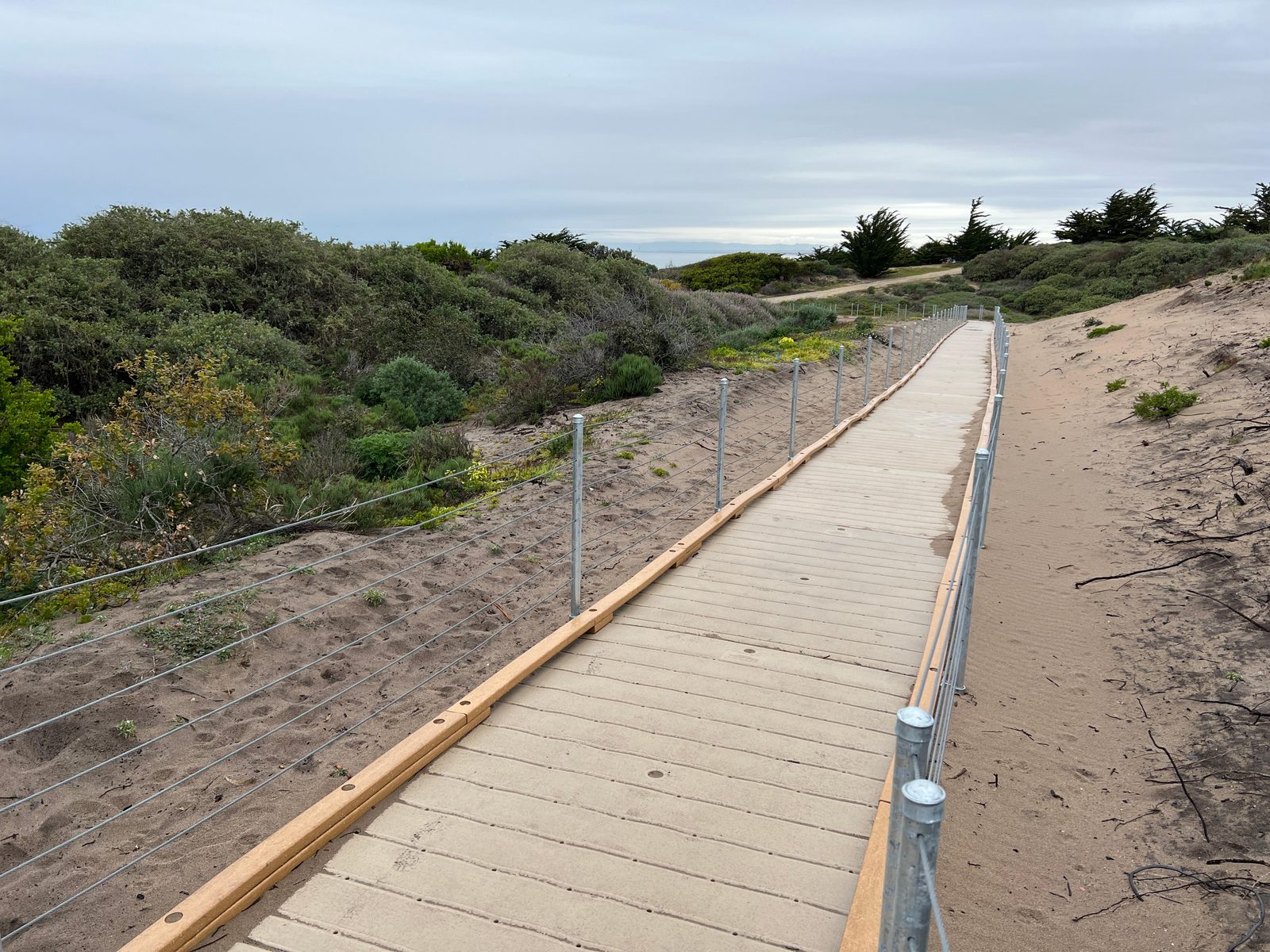
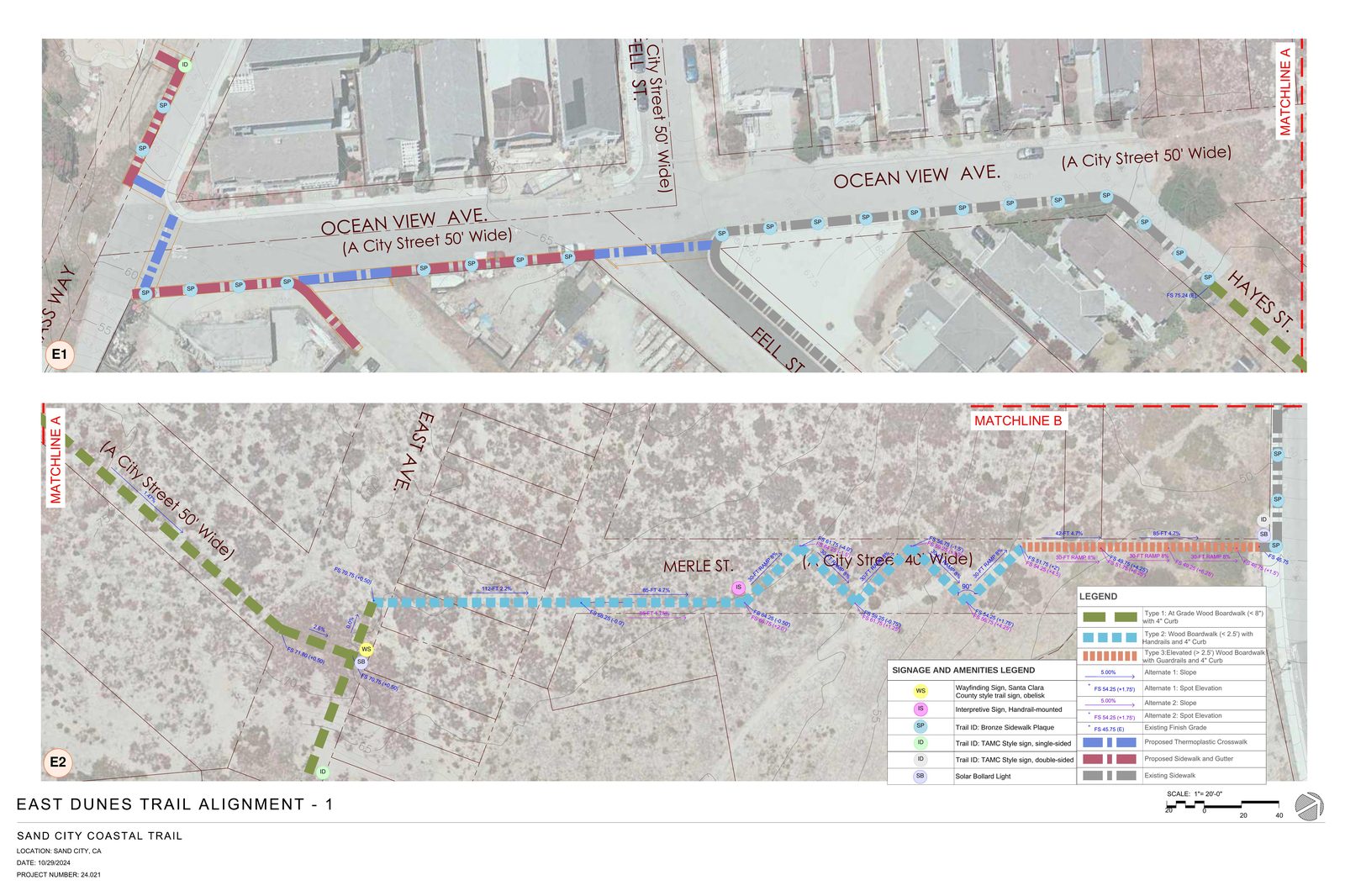
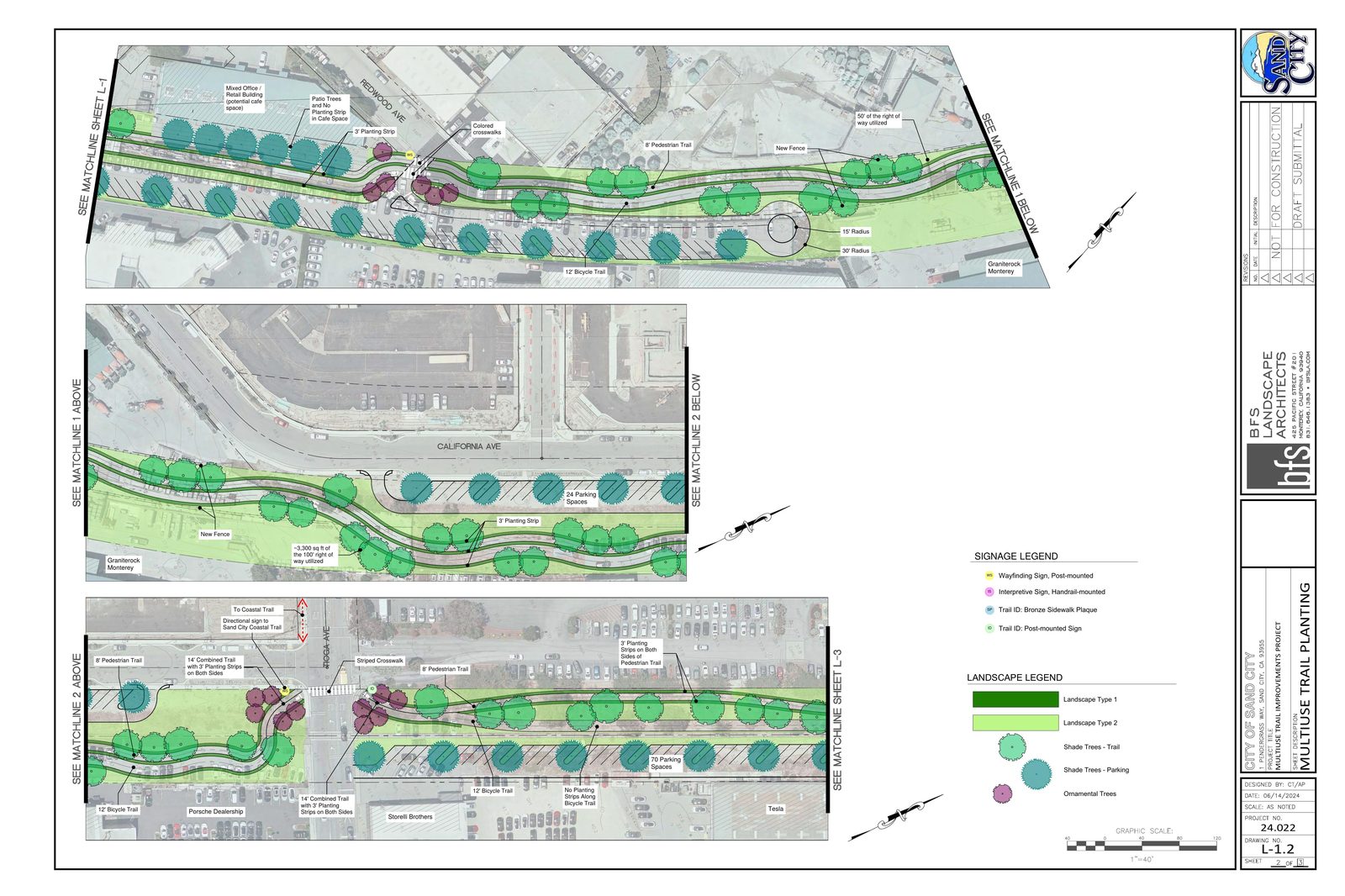
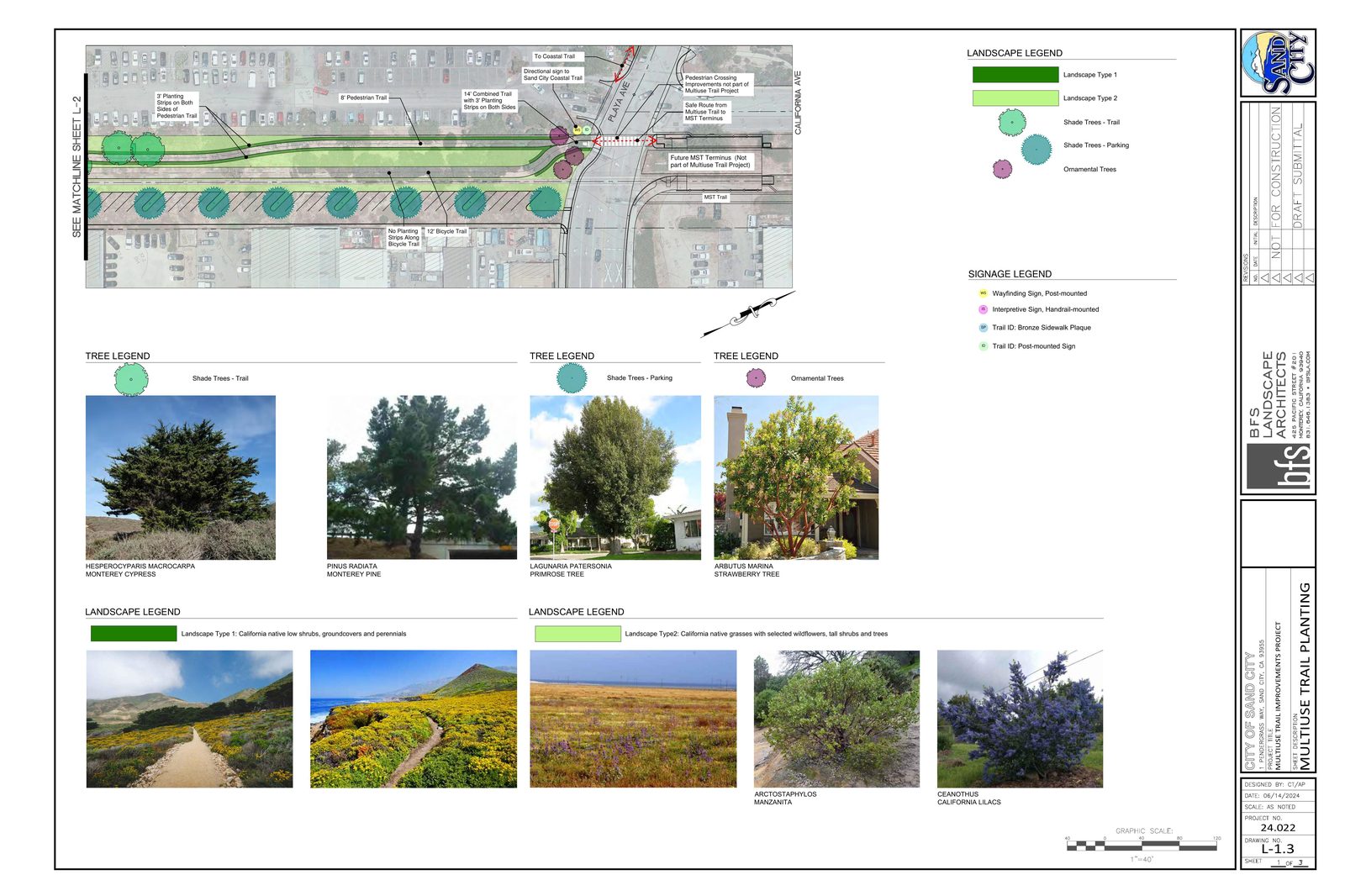
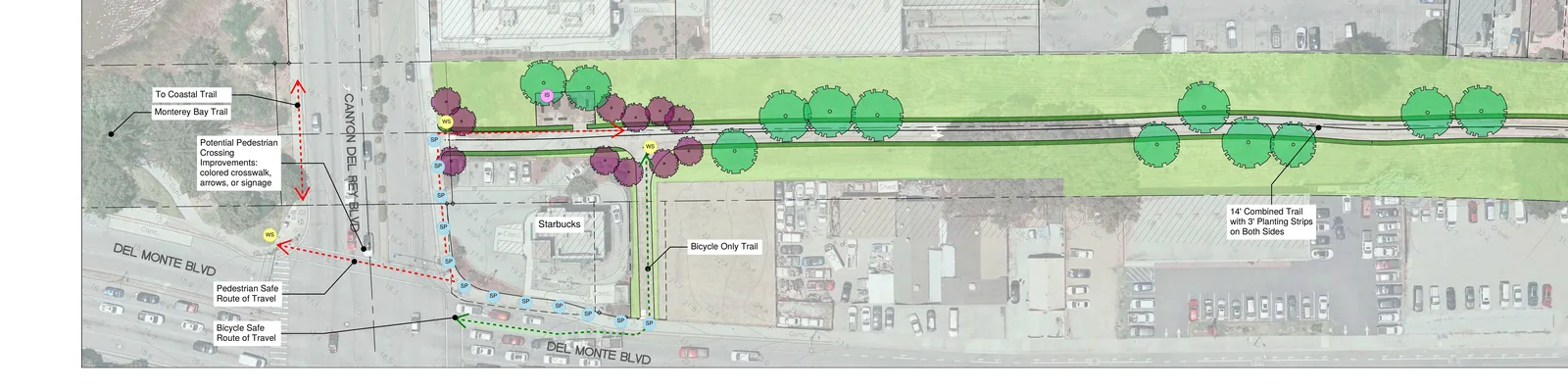
Sand City, with our partner EMC, is designing two connected projects that will let you move through our city and along our coast on foot or by bike. The Coastal Trail runs through the dunes from the West End to the east side of the city. The Multi-Use Commuter Trail is a roughly one-mile path in the rail corridor that completes a missing link in the 18-mile Monterey Bay Coastal Recreation Trail, connecting our streets to the future SURF! rapid transit station and improving bike lanes on California Avenue and Holly Street.
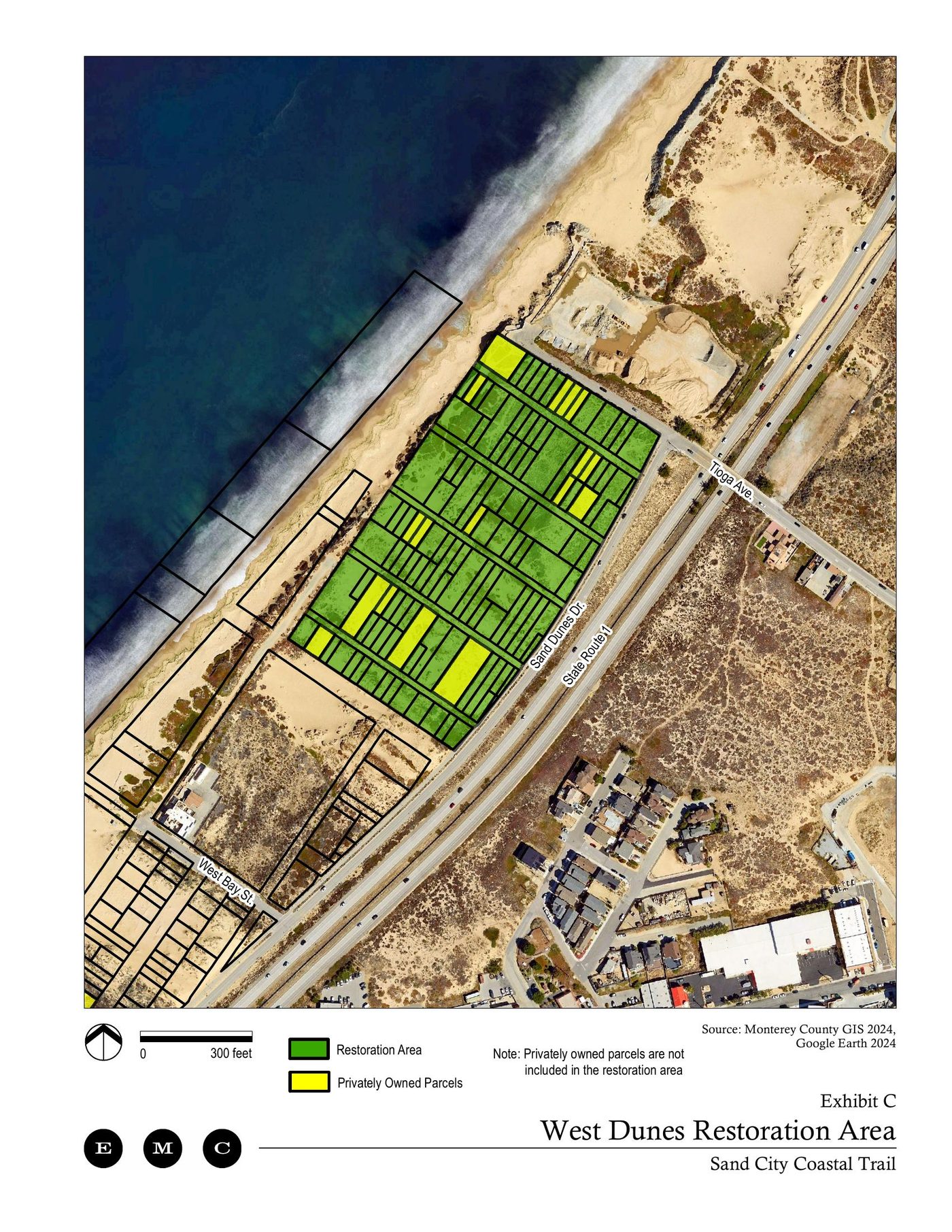
The Coastal Trail design pairs the path with a West Dunes restoration area, so we protect and rebuild dune habitat at the same time we open it up for people to enjoy. That is the whole idea: protect the coast by building smart, not by paving over what makes this place worth living in.
Both projects are in design now. The job ahead is to carry them from plans to pavement, make sure the final design serves residents first, and keep working with regional partners like TAMC, Seaside, and Caltrans to fund and build the project. I have shown up to express my support, and I want to provide my guidance and experience to get us the best trails possible for all users.
Finishing the trails is also about the basics that connect them. That means sidewalks that actually reach into town, like the missing stretch at Contra Costa where the bus drops people off, and sidewalks that are kept up once they are built. The approved Catalina and Contra Costa stormwater and street work is a real start, and I want to see it through. A Sand City you can move through on foot or by bike, safely and without a car, is the goal, and the trails are the spine of it.
Housing & Land Use
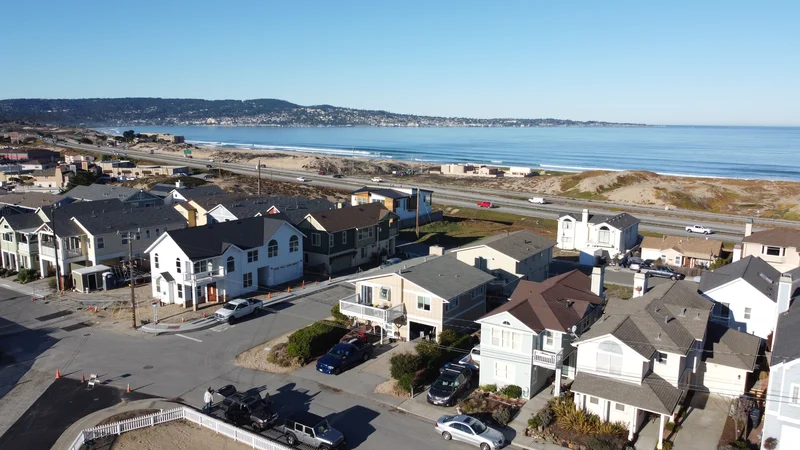
Sand City is a pro-development town, and I want to keep it that way while pointing that energy in the right direction. We are still transitioning from a heavily industrial and commercial footprint into a place where people both live and work, attracting the artists and inventors who build the future in the great traditions of California. The South of Tioga redevelopment project is an exciting opportunity, and I want to see it done right: more live/work spaces, more mixed-use, more housing of every type.
Sand City is on track to nearly double in population as the next phases of the South of Tioga project build out with new condos. I want to balance the developer's need to make a profit with the accommodations and desires that make Sand City the excellent place it is to live, and provide housing for people who actually want to live and, more importantly, work here.
Mixed-use and density are how we get there. Within California's coastal land-use rules, local government should be helping owners make the best use of their property, not obstructing it. I believe property owners should have the primary say, and that planning should offer guidance to improve a project rather than red tape that buries it. If your use of your property is not harming or disturbing those around you, you should be able to use it as you see fit. The city's role is guardrails, not gatekeeping.
I am a strong supporter of accessory dwelling units and lot splitting. ADUs and infill are density done at a human scale, and they belong at the center of how this city grows.
I also support the West End as a cultural and economic anchor. As a former West End vendor and author of the Mia Kingtide book series, I understand what makes it valuable. It is one of the things that genuinely sets Sand City apart, and it deserves continued investment from the council to thrive.
Short-Term Rentals & Small Business
Sand City runs on visitors. The majority of our tax base comes from sales tax paid by people who do not live here, and with the new Marriott hotel, that engine just got bigger. That is not a flaw in how this town works; it is the reason residents enjoy the services we do without carrying the whole cost ourselves.
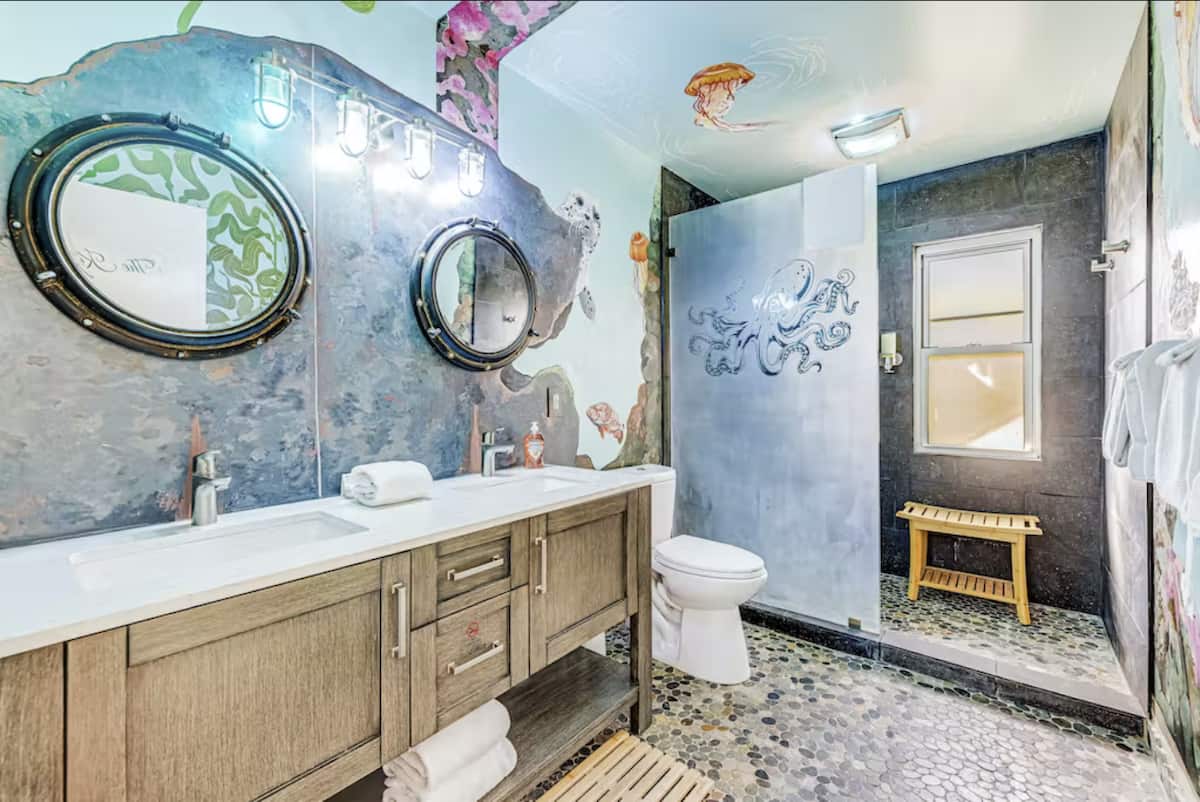
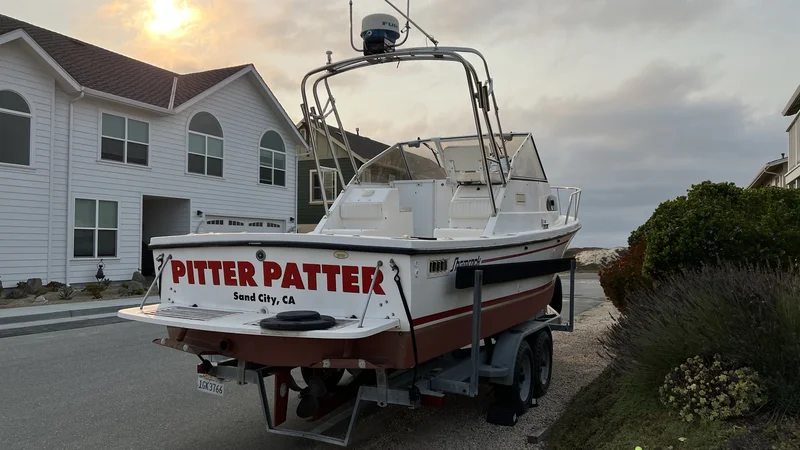
I understand that economy because I am part of it. I run the Ocean View BNB, one of 15 short-term rentals under the city's cap, a cap I support. The city takes 12 percent of what I earn in transient occupancy tax, and the guests I bring spend their money at our galleries, in the West End, and at our restaurants and shops. That is the model in miniature: bring people in, let them fall for this place, and let their spending help fund the city for the people who live here year-round. I know how this works because I do it, and I'll bring that understanding to decisions about tourism, the West End, and the businesses that keep Sand City solvent. When the city took up short-term rental policy, I organized the other operators in town and worked with the council to build a framework that actually fits a city this size. That ordinance passed in 2022, and since then short-term rentals have generated meaningful Transient Occupancy Tax for Sand City, real money that funds services for everyone.
Part of that framework is a cap on the number of short-term rentals, and I support it. We are at 15 today, and keeping a sensible limit is how a town of our size protects its housing stock and its neighborhoods while still letting residents like me make ends meet. I helped shape that rule knowing it would limit my own category, including limiting future competition and my own ability to expand, because a stable, predictable STR market is better for Sand City than an open-ended one. That is the test I would bring to every issue: what is good for the town comes before what is good for any one operator, including me.

Water & Infrastructure
Water is where the environment and growth meet most directly in Sand City, and it is where we have shown what a small city can do. Sand City built its own desalination plant because the regional water provider could not meet our needs. The water system we have today has made water more expensive than it needs to be and has slowed development across the peninsula, costing the region thousands of housing and business units.
I will engage with all stakeholders on water — residents, businesses, public agencies, and the regional utility — with a clear goal: lower-cost, better-managed water for the peninsula.
On transportation, I support the MST Surf! transit line from Sand City to Marina as a real chance to reduce car dependence and connect us to the broader region. Denser development and better transit reinforce each other: when people can live, work, and move without a car for every trip, we cut both congestion and the pollution that ends up in the bay. I also support undergrounding power lines and improving our stormwater infrastructure, long-term investments in resilience that a well-run small city can lead on.
I support electrifying California in a smart, cost-effective way. Done right, electrification and cutting energy waste lower costs for residents and businesses while reducing the pollution and runoff that reaches Monterey Bay. A healthy local economy and a healthy bay are the same goal, and I will weigh infrastructure decisions on a ten- and twenty-year horizon, not a single budget cycle.
Parks & Public Space
If we are going to grow denser, public space matters more, not less. The more people live close together, the more our parks and gathering places have to carry. That is the deal: protect open land, build smart inside the footprint, and make the shared spaces genuinely good.
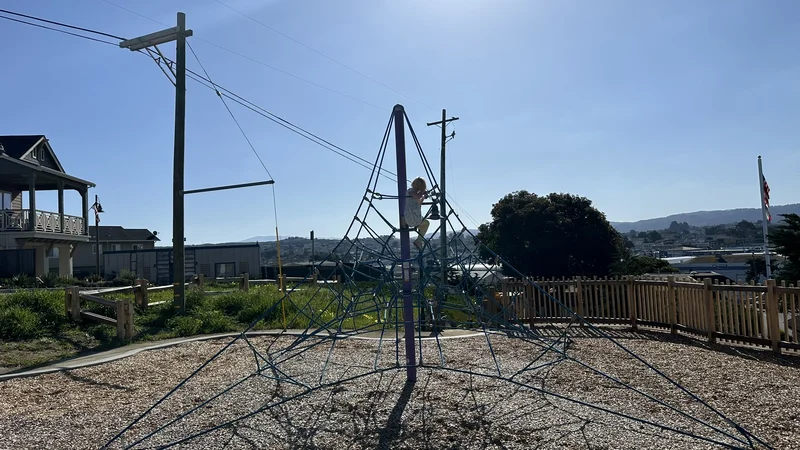
For three years Calabrese Park near my home was under construction, and the result was less engaging for families than what was there before. We have a great example of a park done right just to the north of us in Marina at Glorya Jean Tate Park. The view from the top of our hill is one of the best in the area and we should put in equipment that takes advantage of it. I want a phase two for this park that provides some height to allow people to see both the airport and the bay from a tall play structure.
Public space is one of the few things a small city can do exceptionally well. Sand City's parks and gathering places should reflect our Creative Town identity: welcoming to families, accessible to all residents, and thoughtfully designed. I will push for higher standards on park projects and hold contractors and planning staff accountable for outcomes, not just process.
Support the Arts, the Murals, and the Art Park
Sand City is building its identity as a Creative Town, and the art is not decoration, but a key piece of our civic fabric. As an artist myself I want to work with our community to provide more opportunity for creative people. People come from far and wide for the West End Celebration, the we.Mural Festival, and the 831 Night Market held on the first Friday. The current and past councils have worked hard to bring these amazing activities to our city and I look to continue to grow and expand these programs.
I want to protect and expand the things that make this a place artists choose: the murals, affordable studio and maker space, and room for performance, music, and spoken word, not just visual art. When grants and partnerships line up to create real working space for artists, the council should help make it happen.
The Art Park is the clearest test of this. Any redevelopment of the Art Park has to serve every resident as genuine public space. It started life as a city parking lot and became something far better, open to all. I will not support turning it into a gated courtyard or a private amenity for one development. Phase two should make it bigger and better for the whole city, with more space for art, events, and the public, not less.
Affordable Sand City, Living Wages, and Fiscal Responsibility
My daughter Mia is the most important person in my life. I want to show her that women and men working together achieve more than they ever could alone or at odds.
I support equality and personal autonomy. No government should interfere in anyone's decisions about their own body. I support living wages and lower-cost childcare so that everyone can stand on equal footing in the workforce. These are not abstract values for me. They are the conditions under which families in Sand City actually thrive or struggle, and a city that makes it easier for working families to live here, afford childcare, and build stable lives is a more resilient one. Sand City's future as a Creative Town depends on making room for the people who build, teach, create, and serve.
I also want to make Sand City more affordable and make sure the people who do the work are paid fairly. That includes supporting living wages and union contracts in development, so the construction and service jobs that build this city support the workers who live here. Growth should not just benefit property owners and developers; it should raise the floor for everyone who contributes to it.
Sand City has a relatively strong tax base, and that is an advantage that has to be managed carefully. I have spent more than fifteen years running teams, managing real budgets, and getting projects across the finish line. That experience matters on council, especially as the city keeps pushing forward on land use, development standards, and the practical work of running a small city with big regional responsibilities.
I want smart decisions about in-house versus contracted city services. There is no universal answer, but the question should always be the same: what delivers better service at the best value for Sand City residents over the long haul? I will push for transparency in how those decisions get made and hold vendors to the same standards I would apply to any business I run.
Preparation, respect for staff expertise, good deliberation, and a focus on decisions that hold up five years out. That is what I will bring to every council meeting. I am not looking to score points. I am looking to do the work.
Want to Talk Issues?
Reach out directly — Luke reads every message and responds personally.